Ending the romantic attraction to harmful relationships
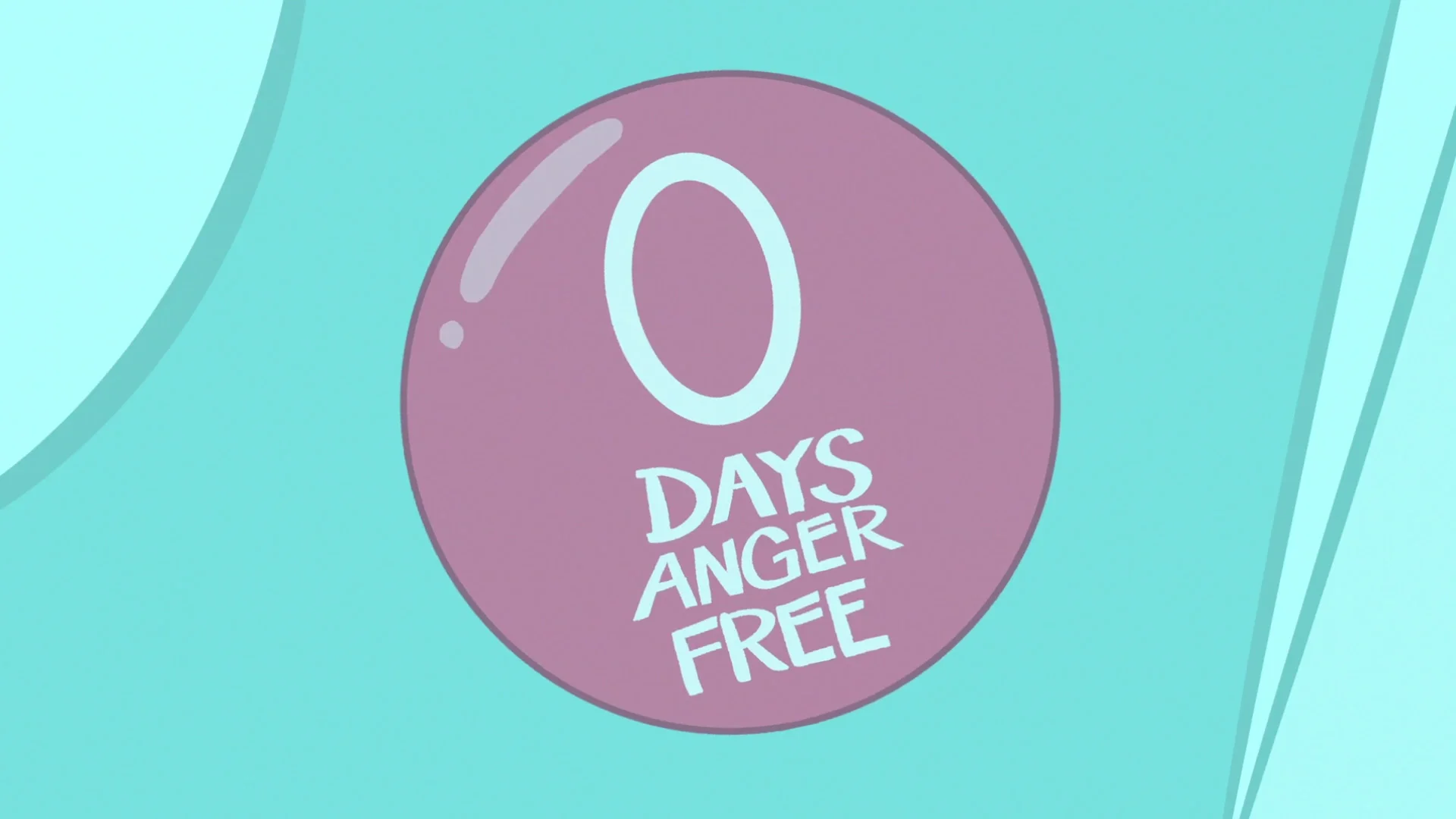
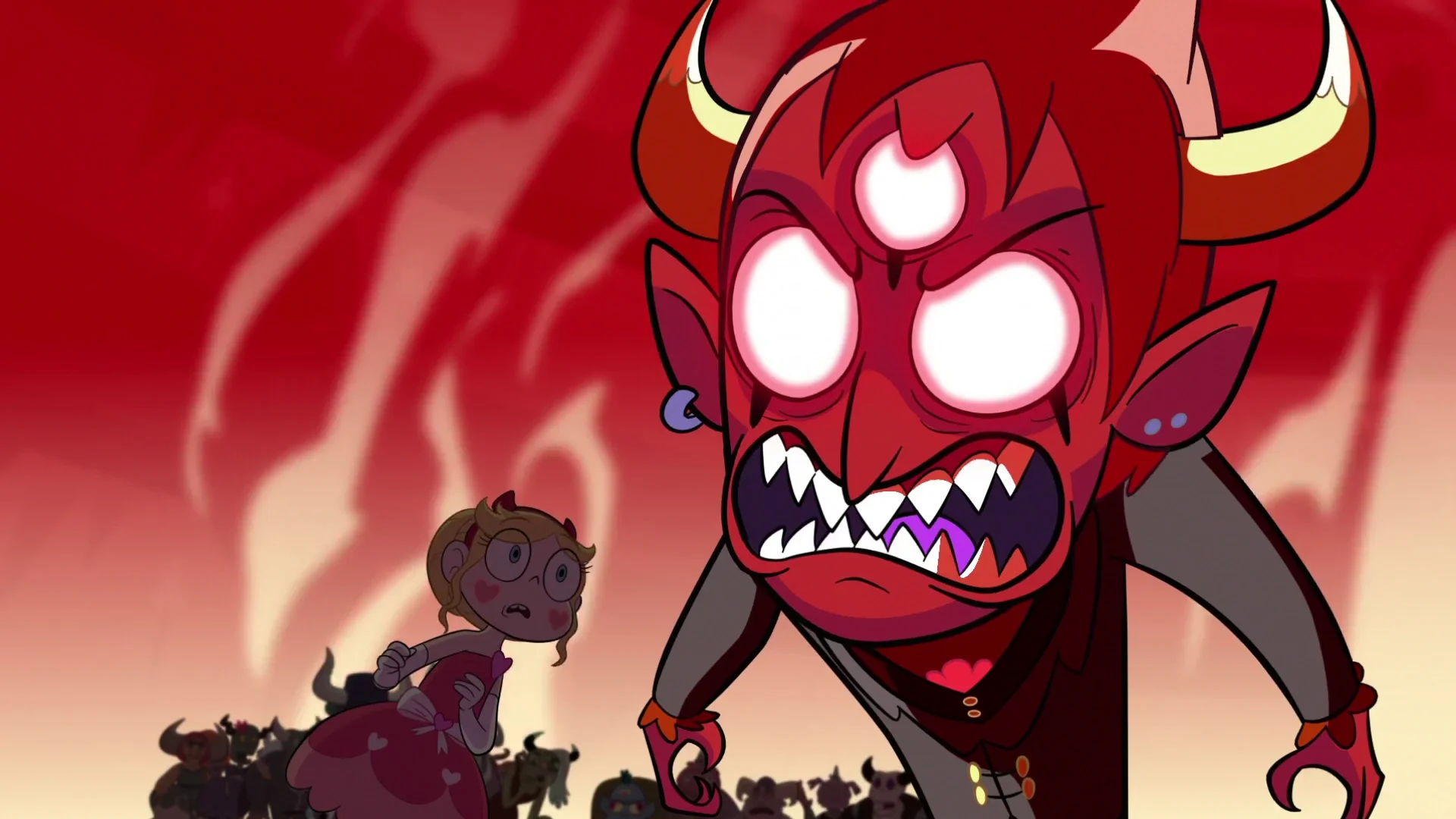
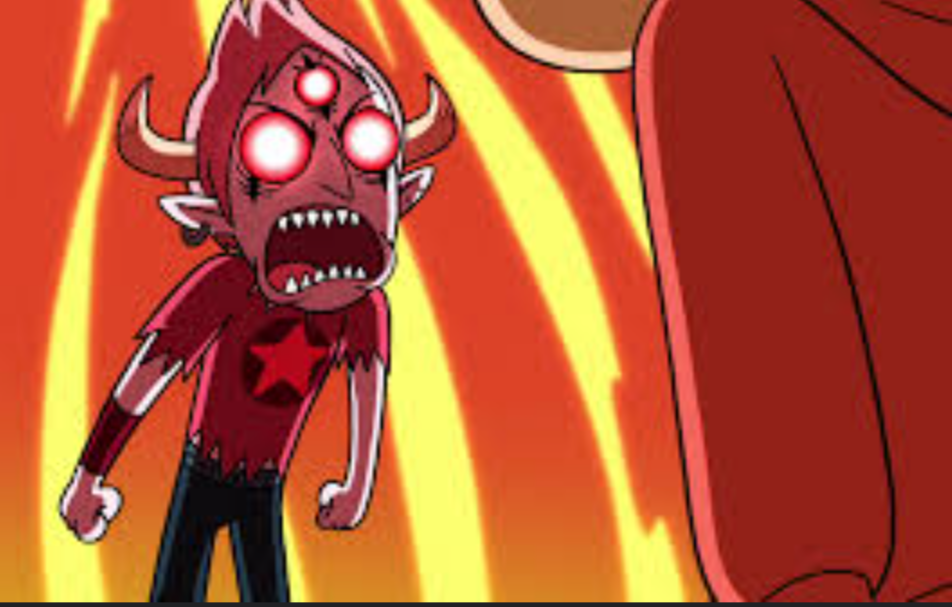
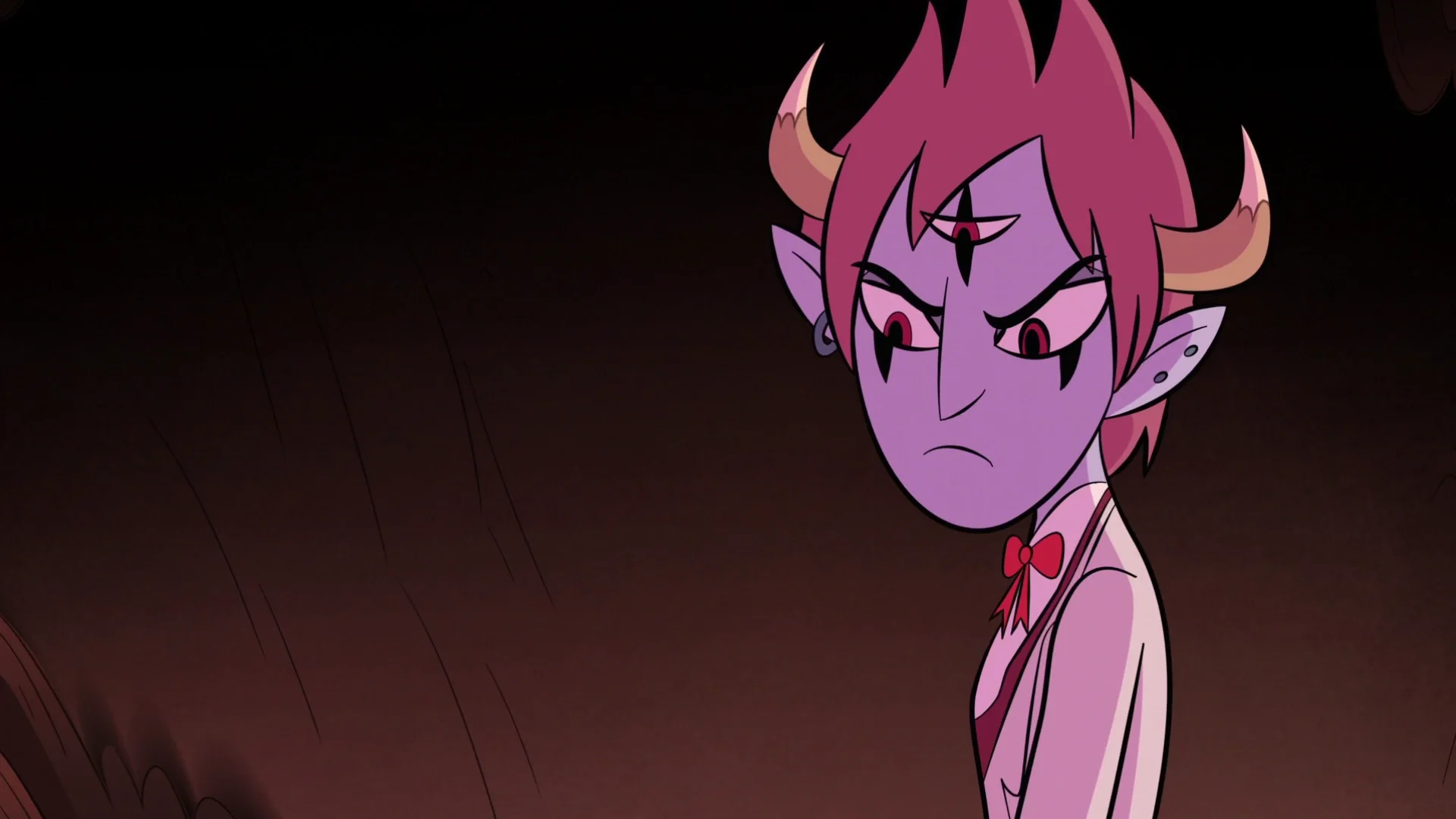
In fandom spaces, shipping is often celebrated as a way to explore character dynamics and imagine possibilities beyond canon. Yet not all ships are harmless. Tomco is more than just a “toxic” relationship. When examined closely, it actively promotes and romanticizes patterns that mirror real-world abusive relationships. This is not simply a matter of taste; it is a matter of recognizing how fans can normalize harmful dynamics when accountability and repair are glossed over.
Tom is introduced as obsessive and manipulative, attempting to control Star (Blood Moon Ball). His fixation is framed as romantic passion, but in reality it reflects controlling behavior.
Tom’s temper repeatedly places Marco in unsafe situations. Rather than respecting boundaries, Tom lashes out, forcing Marco to manage his emotions.
By framing Tom’s volatility as quirky and his “growth” as sufficient for redemption, the show normalizes harmful patterns: Tom’s arc is presented as complete without accountability, teaching audiences that abusive partners can be “fixed” with minimal effort.
Media shapes how audiences perceive relationships. When a show glosses over abusive behavior and reframes it as romance, it risks teaching viewers—especially younger ones—that toxicity is acceptable, even desirable.
By presenting Tom’s behavior as “fixed enough,” the show risks teaching viewers that abusive patterns can be overlooked if the abuser claims self-improvement.
When fans defend Tomco “because it’s gay,” they’re prioritizing representation over accountability, which risks normalizing unhealthy patterns in queer relationships.
If Tomco were heterosexual, most fans would call out the imbalance immediately. The fact that it’s queer shouldn’t lower the bar for safety.
Representation should uplift—not excuse harm